Waking up with a mouth that feels like sandpaper is one of the more universal small annoyances of sleep, and it's common enough that most people just live with it rather than working out why it's happening. The reasons are usually fairly ordinary, and mostly addressable once you know where to look.
The most common reason: mouth breathing overnight
If your mouth falls open while you sleep, air moves continuously over the soft tissue inside your mouth and throat, drying it out over the course of the night. This is one of the single most common causes of a dry mouth on waking, and it's often exactly the same underlying pattern behind snoring — both ultimately come down to breathing through an open mouth rather than your nose.
Other everyday causes
Not drinking enough water during the day means your body has less to work with overnight, including for saliva production. Alcohol before bed has a similar dehydrating effect. A very dry bedroom — common with central heating running through the night — can dry out oral tissue even if you're breathing normally, compounding the effect if you're mouth breathing on top of it.
How to tell which one applies to you
If dry mouth shows up mainly after a late drink, or during winter months when your heating runs all night, the cause is probably fairly straightforward and environmental. If it happens most nights regardless of what you drink or how warm your room is, and especially if it comes with snoring or a partner mentioning your breathing, mouth breathing is the more likely explanation. Paying attention to which pattern fits is usually enough to work out where to start, and it's fine for more than one cause to be contributing at once.
When it might be something else
Certain medications, including some antihistamines and antidepressants, list dry mouth as a known side effect, and some underlying health conditions can affect saliva production too. If dry mouth is a new, persistent issue for you and none of the everyday causes seem to explain it, it's genuinely worth mentioning to a dentist or GP, rather than simply assuming it's nothing.
Why it's worth taking seriously, not just annoying
Beyond the discomfort, a persistently dry mouth overnight can contribute to other issues — saliva plays a role in protecting your teeth and gums, so a consistently dry mouth is sometimes linked to a higher chance of dental problems over time. It's also often accompanied by a sore or scratchy throat by morning, since the same lack of moisture affects the tissue further back too. None of this is usually cause for alarm, but it's a reasonable enough reason to actually address the underlying cause rather than just reaching for a glass of water each morning and moving on with your day.
What can help
Staying properly hydrated through the day, cutting back on evening alcohol, and running a humidifier in a dry bedroom all help directly. If mouth breathing is the underlying pattern, encouraging nasal breathing overnight tends to make the biggest difference — which is exactly what Drift Easy Mouth Tape is designed to support, by gently keeping your lips closed so your body defaults back to breathing through your nose. Most people notice a real improvement within the first week or so, though for some it can take a little longer for the habit to fully take hold.
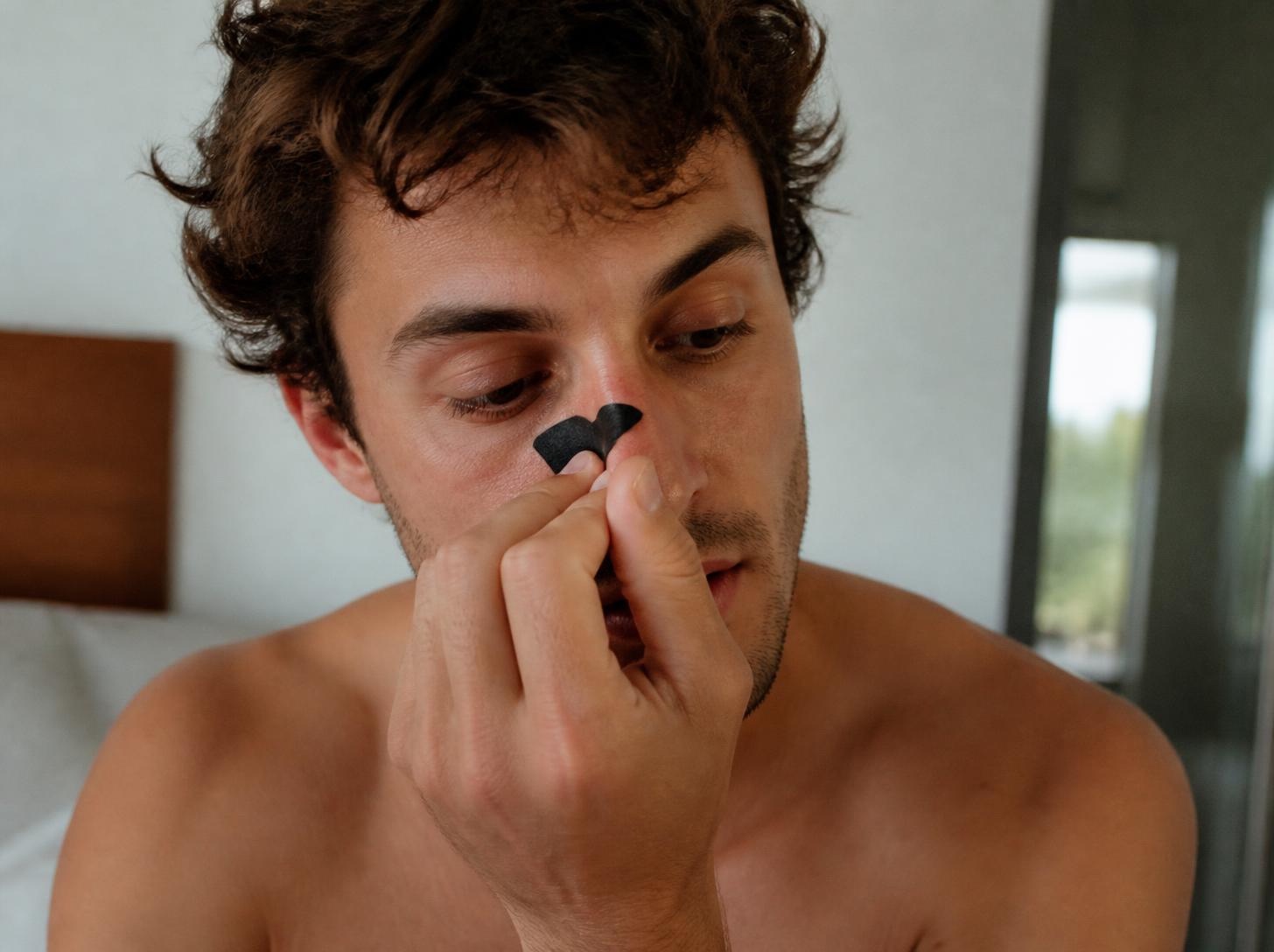
If nasal congestion is part of what's pushing you toward mouth breathing in the first place, pairing it with Nose Tape can help address both sides of the problem at once.