Breathing well at night sounds like it should just happen automatically — and most of the time it does. But for a lot of people, a blocked nose, a dry room, or an awkward sleep position quietly gets in the way, without them ever really noticing why their nights feel more restless than they should.
Clear your nasal passages before bed
A saline rinse or a few minutes of steam from a hot shower can make a real difference if you tend to feel congested in the evening. Dust, pollen, and dry indoor air all build up through the day, and starting the night with genuinely clear nasal passages makes nasal breathing far easier to sustain once you're asleep and no longer consciously managing it.
Mind your sleep position
Sleeping on your back lets gravity pull your tongue and soft palate backward, narrowing your airway and making nasal breathing harder to maintain. Side sleeping tends to keep the airway more open. It's a small change, but for some people it's the difference between a quiet night and a restless one.
Keep the air in your room workable
Very dry air — common with central heating running overnight — can leave your nasal passages feeling tight and congested by morning. A humidifier, or even just cracking a window slightly, can keep the air from working against you while you sleep.
Time your evening better
What you do in the hour or two before bed affects how easily you'll breathe once you're lying down. Allergens can build up on clothing and hair through the day, so a shower before bed can genuinely reduce night-time congestion for people with seasonal allergies. Alcohol relaxes the tissue in your throat and nasal passages more than normal sleep already does, which can make breathing through the nose harder to sustain even if it felt fine when you went to bed. Eating a heavy meal close to bedtime can have a smaller but similar effect. None of these need to be avoided entirely — just worth being aware of on nights when breathing easily matters more than usual.
Support nasal breathing directly
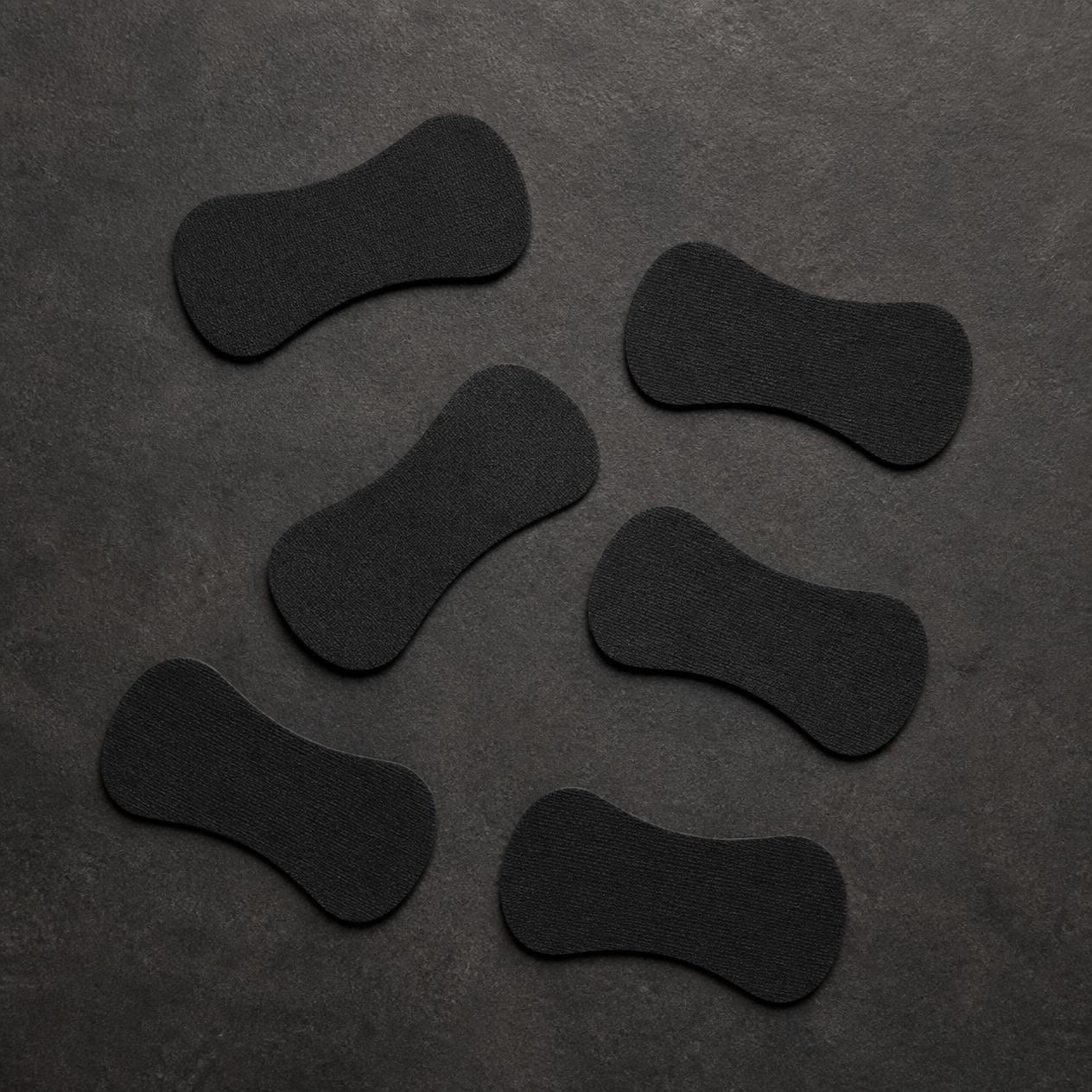
Sometimes the passages themselves are the limiting factor, not just congestion. Drift Easy Nose Tape uses a flexible spring design to gently widen the nasal passages from the outside, making it physically easier for air to move through your nose — useful if you find your nose feels tight or partially blocked even after clearing it.
Build the habit, not just the night
Clearing your nose and adjusting your position help on any given night, but the bigger shift comes from making nasal breathing your default rather than something you have to consciously maintain. That's where Mouth Tape comes in for a lot of people — a gentle strip that encourages your lips to stay closed, so nasal breathing becomes the path of least resistance rather than something you have to think about.
Give it a proper trial
Whichever of these you start with, it's worth giving it more than one night before deciding whether it's helping. Your body needs a little time to adjust to a new sleep position, a clearer nose, or a strip across your lips for the first time, and a single night — good or bad — rarely tells you much on its own. A week is a more honest test, and gives you enough nights to notice a genuine pattern rather than reacting to one outlier.
None of these changes need to happen all at once. Start with whichever feels most relevant to you, and build from there — small, consistent improvements tend to add up to more than any single big change.